

As part of the ninth edition of the International Film and Human Rights Festival, ‘Humans Fest’ from Valencia, The documentary 'Kidnapping Tibet' is going to be previewed here, a Valencian tape that denounces the Chinese occupation of that country and the oppressive situation of the Tibetan population. The skin•film and college•later loqui served to put the concept of "universal justice" back on the table” as the only way to restore the victims' right to reparation.
By Xavier Aliaga
14.02.2018
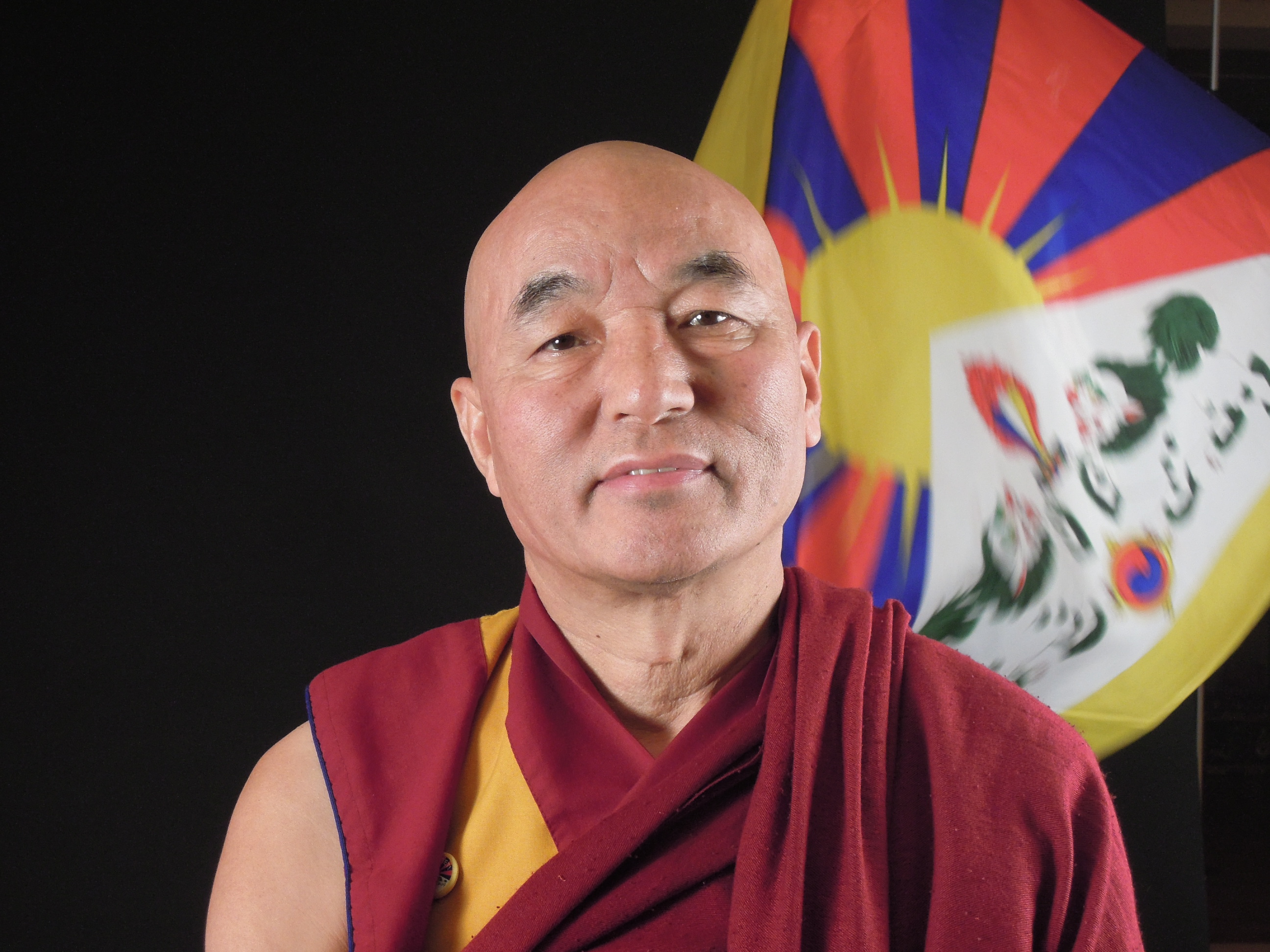
Thubten Wangchen, membre del parlament tibetà en l'exili
The month of February 2014, the Congress of Deputies approved, with the sole vote of the Popular Party, a proposed law that restricted the conditions under which Spanish judges could investigate crimes committed outside the State. El rerefons de la proposta responia a un intent d'apaivagar el malestar del govern xinés per l’inici d’una desena de causes en l’Audiència Nacional per atemptats contra els drets humans de Xina al Tibet, facilitated by the acquisition of Spanish nationality by refugees from that country.
The Popular Party denied at the time that the reason for the reform was an attempt to please Beijing. Nobody believed it. And the minister of foreign affairs at the time, José Manuel García-Margallo, confirmed the suspicions in a television interview by recalling that China possessed the 20% of the Spanish debt. Pushing a button, the Chinese authorities could shoot up the Spanish risk premium again, I came to say.
Report this claudication, and the systematic violation of human rights in Tibet, was the germ of the documentary Kidnapping Tibet, a Valencian production directed by Juanma Chavarrías and produced by the filmmaker Samuel Sebastian which could be seen yesterday in Valencia, at the La Nau building, a first version edited to be exhibited at the "Humans Fest". The definitive version, with more interviews and post-production, it will be financed through micro patronage, but the forty minutes shown served to attend in a condensed way the unfortunate history of that country, absorbit from 1959 for the communist regime of Mao Zedong.
since then, there has been 1.200.000 victims of repression and a process of demographic and cultural colonization by China has taken place. In addition to that, 150.000 Tibetans live in exile out of a population of six million people. The proceedings opened in the National Court accused important Chinese leaders of genocide, shortly before the start of the Olympic Games in Beijing. The PP responded to the pressure of the Chinese government and the cases were filed on 2015 thanks to the legislative reform of the right, although the Constitutional Court admitted to the procedure, the gene of 2017, an appeal against that modification.
In the round table, moderated by the activist Raquel Vaño, Thubten Wangchen, Member of the Tibet Parliament in exile and founder of the House of Tibet of Barcelona, claimed the most of 2.000 years of existence as a state and denounced the silence of states in the face of the violation of human rights by the Chinese authorities ("not only in Tibet, also in China", he remarked) by virtue of economic interests. Wangchen remembered that, at this time, the aspiration of the Tibetan government in exile, headed by the Dalai Lama, is to achieve China's autonomy, not independence, in an attempt to find a peaceful solution to the conflict.


