

- The absolute control of the authorities through high-tech surveillance is justified by the terrorist threat
Tom Phillips – Beijing
27/01/2018
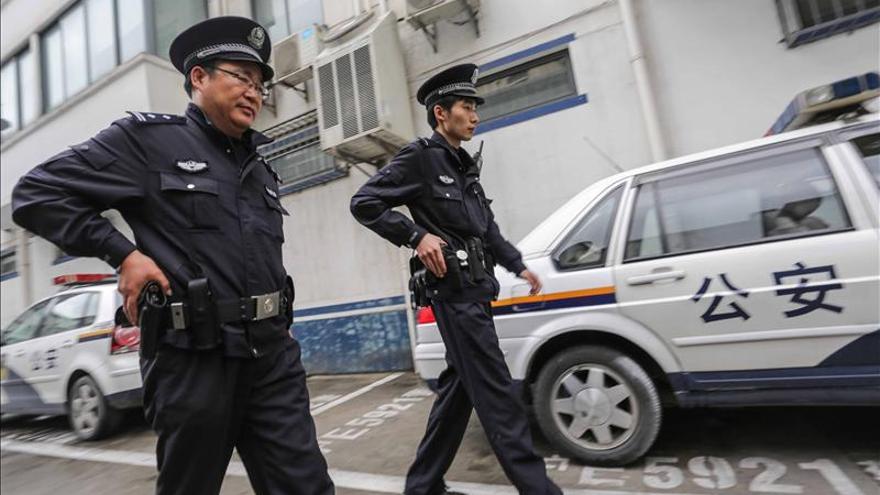
The Xinjiang region is under absolute police control EFE
Those responsible for Chinese surveillance systems are testing a system of facial recognition that alerts authorities when individuals under supervision stray further than 300 meters from your home or workplace. Critics say this new push for surveillance has transformed the western parts of the country into a high-tech police state..
According to Bloomberg , authorities in Xinjiang, a border region that is home to the largest population inChina of the Uyghur Muslim minority, llevan experimentando con el "proyecto de alerta" since the beginning of 2017.
The program, that contrasts faces captured on surveillance cameras with a list of controlled people, is the product of a public defense contractor that is developing software designed to predict and prevent terrorist attacks before they take place.
"Un sistema así es apropiado para controlar a la gente", Jim Harper said, a counterterrorism specialist and former senior official at the US Department of Homeland Security. "'Documentación, please' It was the symbol of living in a tyrannical system in the past. Now, las autoridades del gobierno no tienen que preguntar".
The Bloomberg article is the latest to detail the cutting-edge techniques being implemented while Xinjiang becomes a surveillance laboratory in real life. Other methods include biometric data collection, scanners in smartphones, voice analysis and mandatory satellite tracking systems in vehicles.
"Están combinando todas estas cosas para crear, basically, un Estado policial total", dice William Nee, an Amnesty International activist in China.
Journalists in the spotlight
Now no visit by journalists to Xinjiang goes unnoticed. Recently, the police stopped an AP correspondent and informed him that his movements were being monitored through surveillance system recordings.
During a visit of 12 días por el "Estado de vigilancia total" chino, the vehicle of Wall Street Journal was surrounded by police after cameras detected his out-of-town license plate.
When The Guardian visited Xinjiang last spring, Its journalists were summoned to a meeting with the police minutes after checking into a hotel in Kashgar and told that carrying out their journalistic activity without official permission was prohibited..
A desperate neighbor pointed out that Xinjiang has become a hell: "Preferiría ser un refugiado sirio a chino".
Yang Shu, a terrorism expert from Lanzhou University, dice que la situación de seguridad extrema en Sinkiang es un secreto a voces y que la vigilancia podría aportar "pistas importantes" to help capture those causing violence. "La alta tecnología puede garantizar la seguridad sin interrumpir las actividades normales de la gente", dice Yang.
Terrorist threat
Beijing defends that the controls are necessary taking into account the continuous eruptions of violence, that authorities blame Islamic extremists but activists believe it is partly due to repression of Uyghurs.
Nee says that reports that They point to ISIS having recruited some Uyghurs means that some vigilance is warranted: "China se enfrenta a una amenaza real de terrorismo con toda la gente que ha ido a Siria y podría, potentially, volver".
However, el seguimiento indiscriminado de los uigures está alimentando "una indignación increíble" and is taking place outside the bounds of international and Chinese law.
"La gente debería hacer caso a esto porque podrían usar las mismas herramientas de vigilancia en otro sitio en China, or to export them. Many of these companies will want your business to grow, naturally, and sell their technology to other authoritarian countries, or even democracies, que estén buscando las mismas herramientas de control".
Additional reporting by Wang Xueying.
Translated by Marina Leiva


