

MADRID, 3 Mar. (EUROPA PRESS) –
The Senate has also imposed the urgent procedure on the reform of universal justice with the aim of approving it before the next 21 March, fecha en la que dará 'carpetazo' to a dozen cases opened in the National Court for the commission of serious crimes against humanity.
The proposal to modify the Organic Law of the Judiciary has not passed through the Board of Spokespersons or the Senate Board, which is the usual procedure. Upon arrival processed urgently, It is the president of the Upper House who has the power to qualify the projects and process them; this has been the case.
The PP initiative was approved last Thursday in Congress and arrived in the Senate on Saturday. The groups will have until next Wednesday to present their amendments and veto proposals.
There are two plenary sessions called this month, but the second is set for the days 25 and 26, outside the deadline for approval. Therefore, It is expected that the bill will move forward during next week's plenary session, unless the Chamber convenes an extraordinary plenary session.
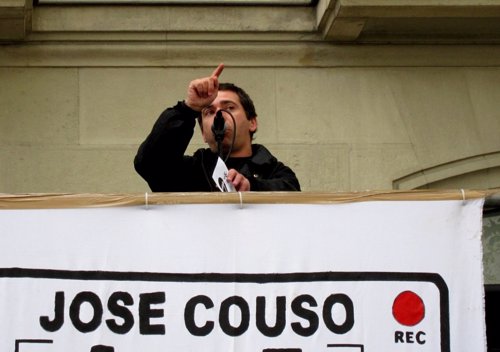
If the proposal leaves the Upper House intact, will be published immediately in the Official State Gazette (BOE) and will file a dozen cases opened in the National Court by virtue of its unique transitional provision, which forces the dismissal of cases that do not meet the new requirements. Among them the murder in Iraq of cameraman José Couso, the genocide in Tibet or the deaths of the Jesuit Ignacio Ellacuría or the diplomat Carmelo Soria.
NEW LIMITS
The reform limits the prosecution of crimes of genocide and crimes against humanity to procedures that are directed against Spaniards or foreigners who have acquired nationality after committing the act or whose extradition has been denied..
The new article 23.4 of the Organic Law of the Judiciary eliminates the possibility of acting with a complaint or through a popular accusation, to limit its momentum to complaints filed by the aggrieved party or the Prosecutor's Office.
The extension of Spanish jurisdiction beyond our borders is conditional on the existence of an international treaty that authorizes it and the Statute of the International Criminal Court.. The opposition has criticized that some powers, like China or the United States, They have not ratified such conventions and it is impossible to prosecute their crimes.
The reform imposes new limits on Spanish judges and includes crimes of violence against women and domestic violence in the list of crimes to be prosecuted., torture or corruption of a foreign public agent.
It confers on the Second Chamber of the Supreme Court the power to assess the possibility that Spanish judges can hear the facts, in the event that the State is not carrying out an effective investigation of the same.
The PP proposal includes a unique transitional provision that requires the dismissal of all open cases that do not meet the new requirements. In this way, will lead to the archive of a dozen cases opened in the National Court, among them the murder in Iraq of cameraman José Couso, the genocide in Tibet or the deaths of the Jesuit Ignacio Ellacuría or the diplomat Carmelo Soria.


