

The promoters of the complaint that has strained relations between China and Spain defend that the National Court investigate the genocide in Tibet
Rebecca Carranco Barcelona 23 NOV 2013
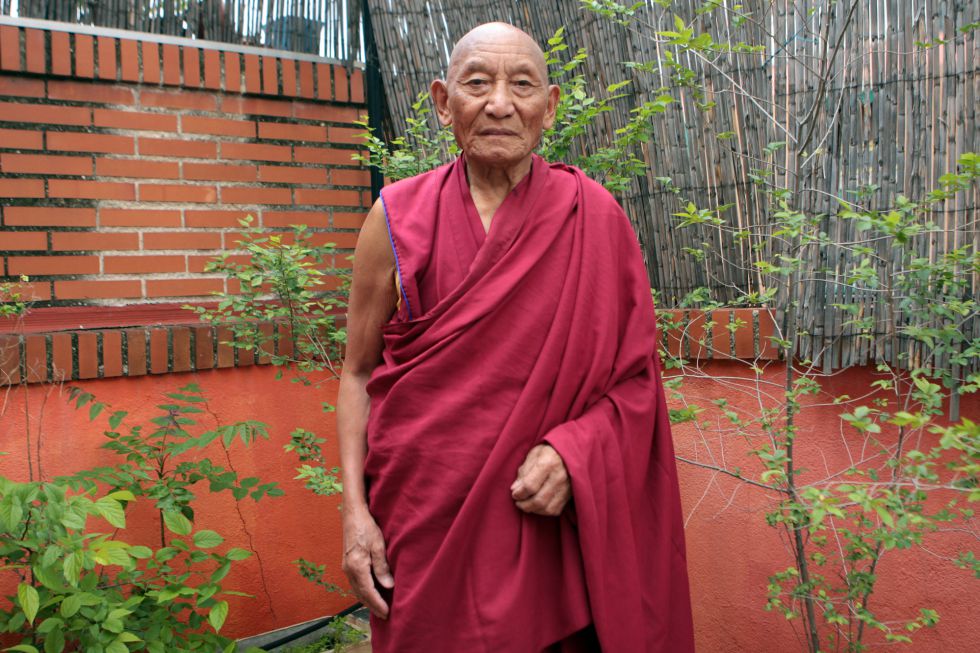
PHOTO: The Tibetan monk Palden Gyatso, what
was 31 years imprisoned by China.
/ CRISTOBAL MANUEL
Does 16 years that the lawyer José Elías began a thesis on the massacre in Tibet, for a doctorate in International Law from the University of Valencia. The result today is the extradition request of five members of the Chinese nomenclature. “The only thing that comes to mind is the certain relief that the Tibetan victims may feel, who until now saw the state of the world, in which no one noticed them”, explains the now professor of International Law, who obtained cum laude in his thesis.
In the complaint he filed in 2006 at the National Court, together with the Tibet Support Commission and the Casa de Tíbet Foundation, describes in sections killings and torture, with dates, places and monasteries, against the Tibetan people by the Chinese Communist Party. The reported crimes take place between 1971 —when the crime of genocide was included in the Spanish penal code— until 2005.
Among the countless tests, reports and witnesses contributed to the case, Elías hace hincapié en la declaración ante el juez Ismael Moreno del médico estadounidense Blake Kerr sobre el hecho de “impedir el nacimiento de niños en el seno tibetano". “He was able to enter hospitals in small villages, he has it filmed, even took pictures of reports. He confirmed and saw how fetuses were piling up in hospitals, how they performed forced abortions on women without their consent, how they injected newborns with a liquid, how children died…”, the lawyer says. And he achieved it through “bribes and getting drunk.”” to officials.
Elías collects the testimony of people who “counted hundreds of deaths per month.”, due to fatigue or starvation” in the labor camps. They gathered more than a hundred cases of torture “of people of all ages and all genders.”, of girls from 13 years, to monks who have passed 40 years in prison, being tortured". “They are real aberrations.”, but we don't talk about Mao's cultural revolution, "It's something that happened the day before yesterday.", reflect.
When Elías had finished his thesis, and he was finalizing the complaint, met Alan Cantos, current director of the Tibet Support Committee and physical oceanographer by profession. Cantos believes that a “choreography of destiny” brought them together. They both promoted the process, for which they consulted with the “greatest experts” in the matter, account Cantos.
“It means a lot to the victims.”, but it also has great significance for the health of Spanish democracy and for the independence of powers.", defends Cantos. He is happy with the extradition orders, but send a message: “It is better to talk less about money and angry diplomats.”, and more about victims and legal and ethical principles. I am in favor of friendship and business between China and Spain, "But that should not be an excuse for political submission when we witness the most horrendous crimes against humanity.".
There is no independent number of victims of the Tibetan genocide. The Government in exile speaks of 1,2 millions of people. That is why Elías requests that “a United Nations investigative commission, that proves the scope of everything that happened”.


