

EFE – Beijing
30/01/2019
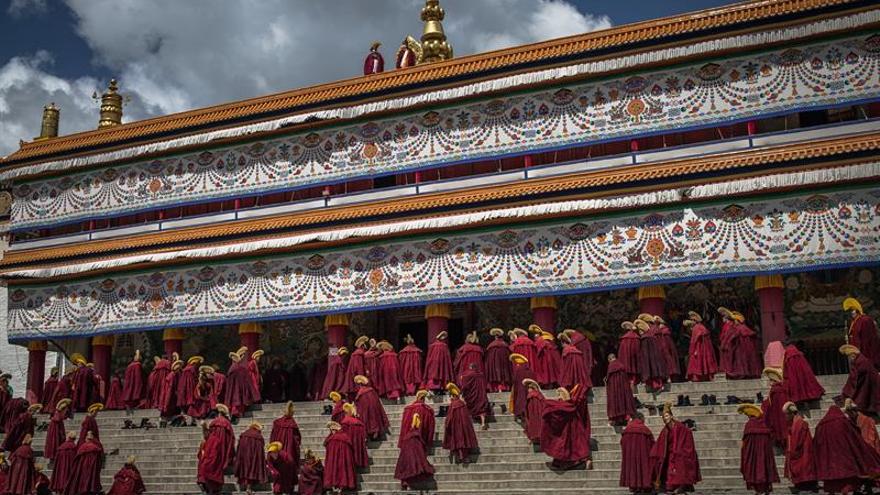
A county in Qinghai province, in western China and neighboring the autonomous region of Tibet, has banned Tibetan children from attending informal classes held at local monasteries, Human Rights Watch denounced today (HRW).
This prohibition, officially published last month, supone una "violación de una larga lista de derechos básicos, desde la educación hasta la vida cultural", lamented the HRW director for China, Sophie Richardson.
"Evitar que los niños tibetanos tengan contacto con monjes y monasterios solo alimentará los temores de los tibetanos de que China trata de restringir cada vez más su cultura y su religión", He added.
The document ensures that informal classes taught by monks have become popular in the areas where Tibetans live during school holidays., especially to teach your language, que "cada vez se usa menos en muchos colegios públicos".
Nangchen County authorities banned these classes in December 2018 when you consider illegal, describiéndolas como "infiltración ideológica entre los jóvenes", "peligrosas" y "dañinas".
In addition, reclamaron a los funcionarios locales que gestionan los monasterios que "entiendan la naturaleza dañina de los monasterios que operan escuelas abiertas" and prevent them from doing so, reaching the point of expelling from the temples the monks who have organized these sessions.
According to HRW, These types of prohibitions had not been applied outside of Tibet until now., and their theory is that the regime suspects that, with these classes, monks try to instill Tibetan religious or nationalist ideas in children.
"Tratar las clases de estudio voluntario en época vacacional y las visitas familiares a los templos como algo peligroso refleja la hostilidad de Pekín hacia los derechos de los tibetanos. Esa es la verdadera amenaza para los tibetanos y las otras minorías religiosas de China", Richardson noted..


